
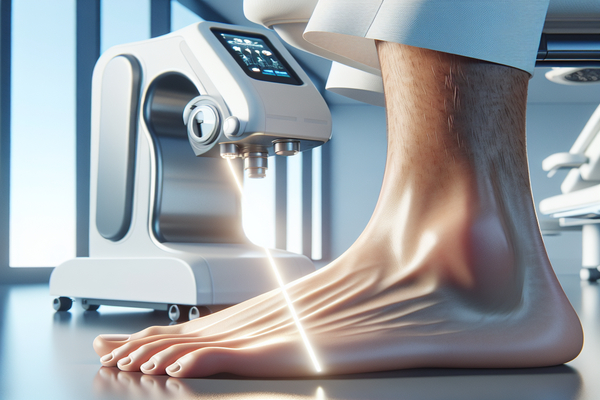
Why Therapeutic Laser Has Become a Core Tool in Modern Podiatry
Why Therapeutic Laser Has Become a Core Tool in Modern Podiatry
In the rapidly evolving field of podiatry, staying ahead of the curve means continuously integrating advanced treatment modalities that not only enhance patient care but also drive practice profitability. One such innovation that has risen to prominence is Class 4 laser therapy. This article explores why therapeutic laser should be regarded as a cornerstone of modern podiatric practice, its clinical efficacy, and its implications for practice growth.
Is laser therapy worth it for podiatrists?
As podiatry clinic owners, you are acutely aware of the necessity to adopt therapies that offer substantial clinical outcomes and operational efficiency. Class 4 laser therapy, which utilizes high-powered lasers (up to 20 watts) for photobiomodulation, has been statistically shown to improve treatment outcomes for various chronic conditions. Research indicates that laser therapy can significantly reduce pain and inflammation, accelerate healing, and promote tissue regeneration.
With its ability to provide non-invasive treatment options, many clinics report increased patient satisfaction and retention. For podiatrists aiming for a competitive edge, integrating Class 4 lasers into treatment protocols enhances clinical offerings, positioning your clinic as a leading healthcare provider.
How profitable is Class 4 laser treatment?
Implementing Class 4 laser therapy can be a lucrative investment for your practice. The initial cost of acquisition is often offset by the potential revenue generated through effective procedures. Treatment sessions typically range from $75 to $150, depending on condition severity and complexity.
- Increased patient turnover: The non-invasive nature of laser treatment encourages repeat visits and referrals.
- Bundling services: Combine Class 4 laser therapy with traditional treatments for conditions like plantar fasciitis and diabetic ulcers, driving up the overall treatment value.
- Return on investment (ROI): Clinical studies have shown that practices implementing laser therapy can see a return on investment within the first year, making it a wise financial decision.
What conditions can podiatrists treat with lasers?
Class 4 laser therapy can effectively address a multitude of foot and ankle conditions, making it a versatile asset in podiatric treatment. Some of the most commonly treated conditions include:
- Plantar Fasciitis: Significant reductions in pain have been documented, leading to faster recovery times.
- Fungal Nail Infections: Laser therapy offers a safe, effective alternative to traditional treatments, yielding remarkable results with minimal side effects.
- Verruca Treatment: Clinical evidence supports the effectiveness of laser therapy in treating stubborn plantar warts.
- Soft Tissue Injuries: Accelerated healing is observed in conditions like Achilles tendinopathy and ankle sprains.
Clinical evidence and safety considerations
Numerous peer-reviewed studies have validated the safety and efficacy of Class 4 laser therapy. CE-marking signifies that therapeutic lasers meet European health, safety, and environmental protection standards, consolidating their credibility. It is crucial to adhere to established safety protocols in your clinic, including operator training and patient screening, to mitigate any potential risks associated with laser treatment.
Addressing common objections from clinic owners
Clinic owners may have reservations about adopting new technology. We address a few common objections:
- Cost: While the initial investment may be significant, the long-term benefits in terms of treatment outcomes and patient retention can justify the expense.
- ROI: Focus on the numerous pathways for generating revenue through effective treatment applications.
- Patient uptake: Educating patients on the benefits and safety of laser therapy can help mitigate hesitations and encourage acceptance.
- Training: Look for vendors that offer comprehensive training programs to ensure your team is well-equipped to deliver effective treatments.
- Safety: Following guidelines for usage and patient management will ensure high patient safety standards are maintained, reinforcing trust in your clinic.
FAQs about Class 4 laser therapy in podiatry
- What is Class 4 laser therapy? Class 4 laser therapy uses high-powered lasers to promote healing, reduce inflammation, and alleviate pain, making it ideal for various podiatric conditions.
- How long do treatments last? Treatment sessions typically last between 10 to 30 minutes, depending on the condition being treated.
- Are there any side effects? Laser therapy is widely regarded as safe, with minimal side effects, typically limited to transient redness or irritation at the treatment site.
- How many sessions will my patients need? Treatment plans vary but may typically range from 4 to 10 sessions based on individual conditions and responses.
- Can Class 4 lasers be incorporated into other treatments? Yes, they can be effectively used alongside other therapies, such as physical therapy and pharmacological interventions, for comprehensive care.
Conclusion
Investing in Class 4 laser therapy is not only an opportunity to enhance treatment efficacy but also a strategic move towards practice growth and improved patient satisfaction. By offering advanced therapeutic options, podiatry clinics can differentiate themselves in a competitive landscape, ultimately driving profitability.
To learn more about how Class 4 laser therapy can benefit your practice, or to request additional information, please visit the Apex Podiatry Lasers website. Together, we can elevate your podiatric offerings and enhance patient outcomes.
