
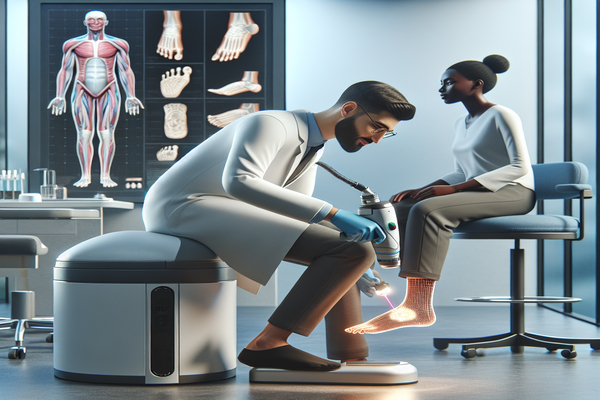
Why High-Power Lasers Are Replacing Low-Level Laser in Podiatry Clinics
Why High-Power Lasers Are Replacing Low-Level Laser in Podiatry Clinics
As the field of podiatry continues to evolve, clinic owners are increasingly presented with innovative treatment options. One such advancement is the transition from low-level laser therapy (LLLT) to Class 4 laser therapy. Understanding the implications of this shift is crucial for podiatry practice owners seeking to enhance their offerings, improve patient outcomes, and drive profitability.
Is laser therapy worth it for podiatrists?
Laser therapy has emerged as a robust option in podiatry, particularly for conditions like plantar fasciitis, heel spurs, and fungal nail infections. The transition to Class 4 lasers represents not just an upgrade in technology, but a significant improvement in treatment efficacy. Clinical studies show that Class 4 lasers enhance photobiomodulation, effectively penetrating deeper into tissues compared to their low-level counterparts.
- Enhanced Efficacy: Class 4 lasers deliver higher power outputs, resulting in faster healing times and more effective pain relief.
- Broader Treatment Applications: Conditions treated can range from verruca treatments to chronic wounds, making it a versatile addition to any practice.
- Better Patient Satisfaction: Effective treatments lead to higher patient adherence and referrals, boosting your clinic's reputation.
How profitable is Class 4 laser treatment?
Investing in Class 4 laser therapy can yield substantial returns. High-power lasers often have a higher upfront cost than traditional systems, yet the benefits outweigh the initial investment when considering both patient outcomes and practice efficiency.
- Increased Revenue Streams: Offering Class 4 laser treatment allows clinics to diversify their services, attracting more patients.
- Shorter Treatment Sessions: The accelerated healing processes lead to more efficient appointment scheduling, reducing wait times and increasing patient turnover.
- Higher Treatment Fees: The advanced technology allows clinics to justify higher pricing due to improved treatment efficacy.
What conditions can podiatrists treat with lasers?
Class 4 laser therapy has been clinically validated for various podiatric conditions, expanding the scope of care that practitioners can provide:
- Fungal Nail Laser Treatment: Effective for clearing onychomycosis through non-invasive processes that promote healthy nail growth.
- Sports Injuries: Accelerates recovery time for tendonitis, sprains, and strains, providing players with quicker returns to physical activity.
- Chronic Pain Management: TheraLaser technology addresses pain management in conditions such as plantar fasciitis and neuropathy with minimal side effects.
- Wound Healing: Enhances the healing of diabetic foot ulcers and surgical wounds, integrating seamlessly into comprehensive diabetic care programs.
Understanding safety considerations
When implementing Class 4 lasers, ensuring patient and practitioner safety is paramount. Class 4 lasers, while powerful, come with CE-marking which verifies compliance with European safety standards. Podiatry clinics should adhere to established safety protocols:
- Protective Gear: Utilize appropriate eyewear and skin protection to mitigate risks associated with high-intensity lasers.
- Training and Certification: Comprehensive training ensures staff is knowledgeable about operational protocols and laser safety.
Addressing common objections from clinic owners
While transitioning to Class 4 lasers offers multiple benefits, clinic owners often voice concerns related to cost, ROI, and patient uptake:
- Cost: Although Class 4 systems may require a higher initial investment, consider the long-term revenue they can generate through new treatment offerings.
- Patient Uptake: Effective marketing strategies and patient education can significantly improve acceptance rates for laser treatments.
- Training Requirements: Investing in staff training can maximize safety and treatment efficacy, leading to better patient outcomes and satisfaction.
FAQs about Class 4 laser therapy in podiatry
- What is the primary difference between Class 4 and low-level lasers? Class 4 lasers deliver higher power, leading to deeper tissue penetration and more effective treatment outcomes.
- Is Class 4 laser therapy safe for all patients? With proper safety protocols and training, Class 4 laser therapy is safe for most patients; however, contraindications should always be evaluated.
- How quickly can patients expect to see results? Many patients report noticeable improvements after just a few sessions, depending on the condition being treated.
- Do patients require multiple sessions? Typically, multiple sessions are needed; however, treatment plans are tailored based on individual patient needs and responses.
- Can Class 4 lasers replace traditional therapies? While they can enhance many treatment protocols, Class 4 lasers are often used as a complementary approach rather than a replacement.
In conclusion, the shift towards Class 4 laser therapy in your podiatry practice not only aligns with current technological advancements but also supports patient care improvement, efficiency, and profitability. As the demand for innovative treatment modalities grows, integrating Class 4 lasers can position your clinic as a leader in advanced podiatric care.
For more information on how Class 4 laser therapy can enhance your practice, contact Apex Podiatry Lasers today. Discover how we can support your clinic's growth and patient satisfaction through cutting-edge laser technology.
