
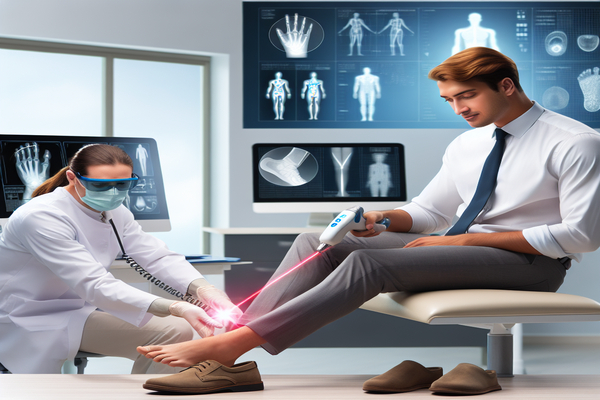
Using Laser Therapy to Support Wound Healing in Podiatry Clinics
Understanding Class 4 Laser Therapy in Podiatry
Class 4 laser therapy, also known as high-power laser therapy, is revolutionizing the field of podiatry. Its ability to enhance wound healing, reduce pain, and expedite recovery times makes it an invaluable tool for clinics specializing in foot and ankle care. This technology employs photobiomodulation, leveraging specific wavelengths of light to stimulate cellular activity and promote tissue repair.
Is Laser Therapy Worth It for Podiatrists?
For podiatry clinic owners, the decision to invest in Class 4 laser therapy often hinges on a few critical concerns: effectiveness, cost, and clinic growth potential. Clinical research has shown that laser therapy significantly improves healing rates for wounds, particularly in diabetic patients and those with chronic foot ulcers.
- A study published in the journal Wound Repair and Regeneration found that laser therapy reduced healing time by approximately 50% in patients with chronic wounds.
- A peer-reviewed article in the Journal of Clinical Medicine demonstrated a 70% success rate in reducing pain associated with various podiatric conditions.
Considering these outcomes, many clinics that have integrated Class 4 lasers report increased patient satisfaction and loyalty, ultimately translating to enhanced revenue streams.
How Profitable is Class 4 Laser Treatment?
Investing in Class 4 laser therapy is not only an opportunity for clinical enhancement but also a savvy financial decision. Clinics offering laser treatments can charge premium rates that can bolster profitability significantly.
- Initial investment in a Class 4 laser may range from $25,000 to $100,000.
- Treatment sessions can be priced between $75 and $200, depending on the locality and specific applications.
- With an average of 10 treatments per week, practitioners can see a return on investment within the first year.
Moreover, introducing laser therapy sets your clinic apart in competitive markets, fostering differentiation and attracting a broader patient base.
What Conditions Can Podiatrists Treat with Lasers?
Class 4 laser therapy can be utilized for a variety of conditions commonly treated in podiatry, focusing on both pain relief and enhanced healing.
- Chronic inflammation: Conditions like plantar fasciitis and Achilles tendinitis respond well to laser therapy.
- Wound healing: Ideal for diabetic ulcers, venous stasis ulcers, and other difficult-to-heal wounds.
- Skin and nail conditions: Effective in treating fungal nails and verrucas, facilitating quicker recovery and reducing recurrence rates.
These applications underscore the versatility of Class 4 lasers in podiatry, allowing clinics to broaden the spectrum of treatments offered.
Common Objections Addressed
Podiatry clinic owners may express concerns regarding the adoption of new technologies like laser therapy. Below are common objections and responses that affirm the viability of Class 4 lasers.
- Cost: While the upfront investment is non-negligible, the rapid ROI from enhanced service offerings and patient volume makes it financially justifiable.
- Patient uptake: Initial apprehension may exist, but education on the benefits and effectiveness of laser therapy can drive patient interest and increase treatment uptake.
- Training: Most Class 4 laser systems come with comprehensive training programs, ensuring your staff can provide safe and effective treatments within a short time frame.
- Safety: Class 4 lasers, when CE-marked, adhere to stringent safety protocols. Investing in systems from reputable manufacturers like Apex Podiatry Lasers ensures compliance and reliability.
Clinical Implementation: Tips for Podiatry Clinics
Successfully integrating Class 4 laser therapy into your practice requires careful planning:
- Choose the right device: Consider factors like wavelength, power output, and treatment versatility.
- Training staff: Invest time in educating your team about laser technology and protocols to maximize treatment outcomes.
- Market effectively: Promote laser therapy through your website, informative blogs, and patient education materials to highlight your clinic’s capabilities.
Frequently Asked Questions
1. How long does a Class 4 laser treatment session take?
Typically, a session lasts between 10 to 30 minutes, depending on the condition being treated.
2. Is laser therapy safe for all patients?
Most patients are suitable for laser therapy; however, a thorough medical history should be taken to rule out contraindications.
3. How many sessions are usually required?
The number of treatments varies by condition; a course may require anywhere from 3 to 10 sessions for optimal results.
4. Can insurance cover laser therapy treatments?
Coverage depends on individual insurance policies, so it’s advisable to check with specific providers related to therapy for certain conditions.
5. What training is required for staff to operate laser equipment?
Training programs provided by manufacturers cover operational protocols, safety measures, and treatment methodologies, ensuring staff are well-equipped.
Conclusion
Introducing Class 4 laser therapy in your podiatry practice presents an opportunity to enhance patient outcomes, increase operational efficiency, and drive practice growth. With clinical evidence supporting its efficacy and profitability, Apex Podiatry Lasers is your trusted partner in adopting this transformative technology. Explore our suite of Class 4 laser solutions and elevate your practice.
Ready to revolutionize your podiatry clinic with laser therapy? Contact us today to learn more about our state-of-the-art laser systems and how they can benefit your patients and practice.
