
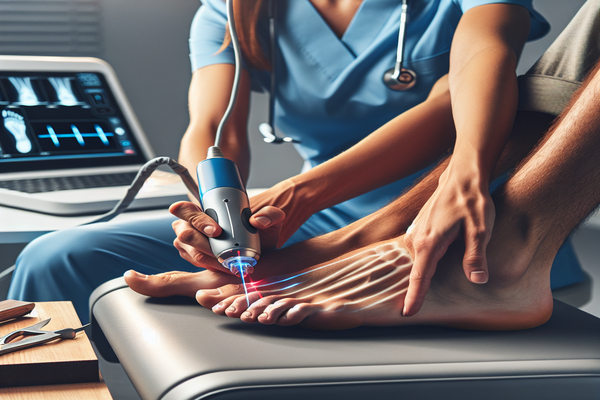
Photobiomodulation in Podiatry: How Laser Therapy Accelerates Healing
Understanding Photobiomodulation in Podiatry
Photobiomodulation (PBM) is an innovative treatment modality utilizing Class 4 laser therapy to accelerate healing in various podiatric conditions. With increasing evidence supporting its efficacy and safety, podiatry clinic owners are seeking to incorporate this advanced technology into their practices. In this article, we will explore how laser therapy can benefit your podiatry clinic, helping you serve patients better while improving your practice's bottom line.
Is Laser Therapy Worth It for Podiatrists?
As a podiatry clinic owner, determining the value of incorporating Class 4 laser therapy is crucial. The advantages of laser treatment extend beyond patient outcomes. Clinical studies indicate significant improvements in healing times for conditions such as plantar fasciitis, chronic pain, and soft tissue injuries.
- Accelerated Healing: Photobiomodulation promotes cell metabolism, reduces inflammation, and enhances mitochondrial function, leading to faster recovery rates.
- Patient Satisfaction: Laser therapy is non-invasive with minimal discomfort, greatly improving patient experiences and retention.
- Differentiation: Offering advanced treatment options positions your clinic as a forward-thinking practice, attracting more patients seeking effective solutions.
How Profitable is Class 4 Laser Treatment?
Implementing Class 4 laser therapy presents an opportunity for enhanced revenue streams. The financial viability can be attributed to several key factors:
- High Demand for Non-Invasive Treatments: With patients increasingly seeking non-surgical options for pain and ailments, your clinic can cater to this demographic effectively.
- Multiple Indications for Use: Class 4 lasers can treat a variety of conditions, including verruca treatment and fungal nail laser therapy, broadening your patient base.
- Return on Investment (ROI): Initial investment costs can be recuperated through efficient patient scheduling and treatment plans that maximize laser utilization.
What Conditions Can Podiatrists Treat with Lasers?
Class 4 laser therapy is versatile and can address numerous podiatric conditions, including:
- Plantar Fasciitis: Reduces pain and inflammation, leading to quicker recovery times.
- Soft Tissue Injuries: Enhances healing capabilities for tendon and ligament injuries.
- Peripheral Neuropathy: Alleviates discomfort and promotes nerve function restoration.
- Fungal Nails and Verrucae: Targets infections effectively with minimal side effects, improving cosmetic outcomes for patients.
Safety Considerations and Protocols
While Class 4 laser therapy is generally safe, adhering to established safety guidelines and protocols is essential. Clinics should ensure that:
- CE-Marking: All equipment should have a CE mark indicating compliance with European safety standards.
- Operator Training: Staff should undergo rigorous training to utilize lasers effectively and safely.
- Patient Education: Proper communication about the procedure, potential side effects, and aftercare can enhance patient confidence and satisfaction.
Addressing Common Objections from Clinic Owners
Despite the obvious benefits, some clinic owners may hesitate to adopt laser therapy due to concerns regarding cost, patient uptake, or safety. Let’s address these common objections:
- Cost: While the initial investment for Class 4 lasers can be substantial, the long-term benefits in terms of patient retention and new client acquisition can far outweigh these initial costs.
- ROI: With a diverse range of applications, clinics can recover their investment relatively quickly by implementing structured treatment packages.
- Patient Uptake: Marketing advanced treatment options effectively can generate increased interest and patient consultations.
- Training Requirements: Apex Podiatry Lasers offers comprehensive training programs to ensure your staff is well-equipped to use the technology safely and effectively.
Frequently Asked Questions
- What is the typical treatment time for Class 4 laser therapy? Treatment times vary by condition, but sessions typically last between 10 to 30 minutes.
- Are there any side effects associated with laser therapy? Side effects are minimal and may include temporary warmth or a mild sensation at the treatment site.
- How many sessions are needed for optimal results? This varies by patient and condition; however, multiple sessions often yield the best outcomes.
- Can laser therapy be combined with other treatments? Yes, laser therapy can complement other therapeutic modalities, enhancing overall patient care.
- What evidence supports the efficacy of laser therapy? Numerous peer-reviewed studies validate the effectiveness of Class 4 lasers in reducing pain and accelerating healing.
Conclusion and Call to Action
Incorporating Class 4 laser therapy into your podiatry practice can significantly enhance patient outcomes and drive clinic growth. With proven benefits, effective treatment options, and a focus on efficiency, now is the time to consider adding this advanced technology to your practice.
For more information on how Apex Podiatry Lasers can elevate your clinic's offerings and profitability, we invite you to reach out and learn more today.
