
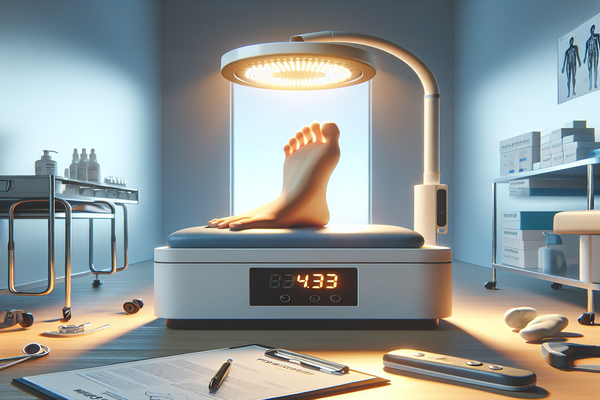
Photobiomodulation Explained for Podiatrists
Understanding Photobiomodulation for Podiatrists
As the podiatry field continues to evolve, many practitioners are exploring innovative treatment solutions that enhance patient care while improving practice operations. One such advance is Photobiomodulation (PBM), commonly known as Class 4 laser therapy. This article provides a comprehensive overview tailored for podiatry clinic owners, focusing on clinical efficacy, potential for revenue generation, and positioning your practice as a leader in advanced treatment modalities.
What is Photobiomodulation?
Photobiomodulation refers to the use of specific wavelengths of light, typically in the red and near-infrared spectrum, to stimulate cellular processes. Class 4 laser therapy operates at higher power levels (up to 20 watts) than lower class lasers, allowing for deeper tissue penetration and faster healing outcomes. The mechanism of action involves the absorption of light by mitochondrial chromophores, leading to enhanced ATP production, reduction of inflammation, modulation of pain, and promotion of tissue regeneration.
Is Laser Therapy Worth It for Podiatrists?
The incorporation of Class 4 laser therapy into podiatric practices offers numerous advantages:
- Enhanced Patient Outcomes: Studies indicate that laser therapy can significantly reduce pain and accelerate healing in various conditions, including plantar fasciitis, tendonitis, and diabetic ulcers.
- Differentiation in the Market: Clinics offering advanced laser therapy can stand out in a competitive landscape, attracting new patients seeking modern treatment options.
- Improved Patient Satisfaction and Retention: Effective pain management solutions lead to higher levels of patient satisfaction, encouraging repeat visits and word-of-mouth referrals.
How Profitable is Class 4 Laser Treatment?
Investing in Class 4 laser therapy can lead to significant revenue generation:
- High Treatment Volume: Many patients require multiple sessions, creating opportunities for repeat visits. Typical treatment schedules range from 6 to 12 sessions, depending on individual conditions.
- Competitive Pricing: Laser treatments can command premium prices, with sessions often ranging from $100 to $300 depending on the complexity and region.
- Minimum Ongoing Costs: Once acquired, the operational costs of laser therapy are comparatively low, primarily involving minor maintenance and consumable supplies.
What Conditions Can Podiatrists Treat with Lasers?
Class 4 laser therapy has been clinically validated for a range of podiatric conditions:
- Plantar Fasciitis: Reduced inflammation and pain, allowing for quicker recovery.
- Fungal Nails: Effective toenail fungus treatment, offering a non-invasive option that many patients prefer over traditional treatments.
- Warts and Verrucas: Targeted laser treatment can be particularly effective for stubborn cases.
- Soft Tissue Injuries: Promotes healing in strains and sprains, enhancing recovery times for athletes.
- Diabetic Ulcers: Assists in wound healing, potentially reducing the need for surgical interventions.
Addressing Common Objections from Clinic Owners
Despite its benefits, some clinic owners may hesitate to adopt Class 4 laser therapy due to concerns about:
- Initial Costs: While the upfront investment can be substantial, it’s crucial to consider long-term ROI. Many clinics see a return on investment within the first year due to increased patient volume and treatment efficiency.
- Patient Uptake: Education is key. Marketing this treatment clearly to patients can significantly enhance uptake rates, especially with effective communication of its benefits.
- Training Requirements: Many laser systems come with comprehensive training and support, ensuring that both clinical staff and practitioners are well-equipped to deliver safe and effective treatments.
- Safety Considerations: Class 4 lasers are classified for medical use and must be CE-marked, ensuring compliance with stringent safety protocols. Adequate training can mitigate the risk of misuse.
Clinical Evidence and Real-World Implementation
A plethora of clinical studies backs the efficacy of Class 4 laser therapy. For instance, systematic reviews have demonstrated significant reductions in pain for conditions like plantar fasciitis and diabetic ulcers when treated with PBM. Many clinics report improved patient outcomes and operational efficiency after incorporating laser therapy into their practice.
Frequently Asked Questions
- What is the typical cost of Class 4 laser systems? Costs can range from $20,000 to $60,000, depending on the brand and features offered.
- How long do sessions typically last? Treatment sessions usually last between 10 to 20 minutes, making them efficient within the appointment schedule.
- Are there any side effects associated with laser therapy? Side effects are minimal and may include mild temporary redness or discomfort at the treatment site.
- How quickly can patients expect results? Many patients report improvement within the first few sessions, but outcomes can vary based on individual conditions.
- Is additional training required to use the laser? Yes, most laser systems come with training programs to ensure safe and effective usage.
Conclusion and Call-to-Action
Incorporating Class 4 laser therapy and photobiomodulation into your podiatry practice not only enhances treatment effectiveness but also positions your clinic as a modern healthcare provider that prioritizes patient outcomes. Don’t miss the opportunity to differentiate your service offering and increase your clinic's profitability.
To learn more about how Apex Podiatry Lasers can help you elevate your practice with cutting-edge laser therapy solutions, visit our website or request more information today.
