
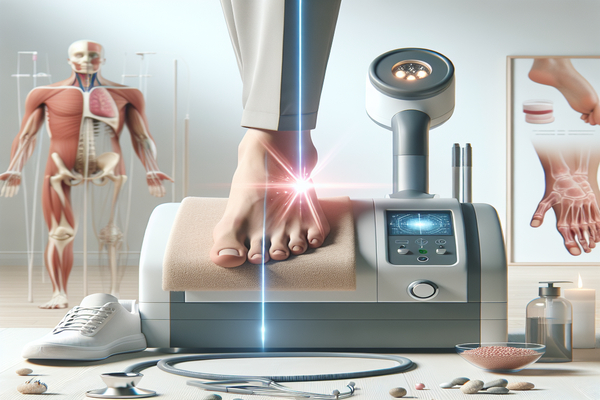
Non-Surgical Podiatry Treatments: Where Laser Therapy Fits
Understanding Non-Surgical Podiatry Treatments
In the evolving landscape of podiatry, non-surgical treatments are becoming increasingly vital. Among these, Class 4 laser therapy is gaining traction for its efficacy in treating various foot and ankle conditions. As a podiatry clinic owner, you need to understand where laser therapy fits into your practice, alongside its potential to enhance patient outcomes and improve your clinic's bottom line.
Is Laser Therapy Worth It for Podiatrists?
Class 4 laser therapy employs high-power lasers to provide non-invasive treatment for various musculoskeletal and dermatological issues, including chronic pain, inflammation, verrucas, and fungal nails. Clinical studies support its efficacy, showing significant improvement in pain management and healing rates for conditions such as plantar fasciitis and Achilles tendinopathy.
According to a recent study, patients receiving Class 4 laser treatment reported a 70% reduction in pain levels on average after a series of treatments, making it an attractive option for both practitioners and patients seeking relief without surgical interventions.
How Profitable is Class 4 Laser Treatment?
Implementing Class 4 laser therapy can enhance your clinic's profitability in several ways:
- Diverse Treatment Applications: The versatility of Class 4 lasers allows treatment for a spectrum of conditions, ranging from nail fungus to soft tissue injuries.
- Increased Patient Flow: Offering cutting-edge treatments can attract new patients, positioning your clinic as a leader in innovative care.
- Higher Treatment Prices: Patients are often willing to pay a premium for advanced therapies, which can lead to increased per-visit revenue.
Moreover, the return on investment (ROI) can be substantial. Initial costs for laser equipment can be offset by the increased patient volume and higher treatment prices, contributing to a robust financial outlook for your practice.
What Conditions Can Podiatrists Treat with Lasers?
Class 4 laser therapy can effectively treat numerous conditions, including:
- Verruca Treatment: Laser therapy can lyse the wart tissue, leading to faster resolution compared to traditional methods.
- Fungal Nail Laser: Targeting onychomycosis with laser therapy has shown impressive cure rates while minimizing side effects.
- Chronic Pain Conditions: Effective in alleviating pain from plantar fasciitis, Achilles tendinitis, and neuropathic pain.
- Wound Healing: Enhances tissue repair in diabetic ulcers and postoperative wounds by promoting cellular regeneration.
These applications not only improve patient satisfaction but also enhance your clinic's service offerings, appealing to a broader demographic and increasing your market share.
Clinical Evidence and Safety Considerations
Class 4 lasers are CE-marked for therapeutic use, ensuring they meet rigorous safety and efficacy standards. Protocols must be adhered to for optimal outcomes:
- Proper operator training is crucial. Ensure that your team understands the mechanics of laser therapy and safety protocols.
- Follow treatment guidelines based on clinical evidence, tailoring sessions to individual patient needs.
- Prioritize patient safety by providing protective eyewear and monitoring for adverse reactions.
Clinical trials have indicated a low incidence of side effects when therapies are conducted within therapeutic thresholds, enhancing your practice’s reputation for safety and effectiveness.
Common Objections from Clinic Owners
Despite the clear benefits, some clinic owners may hesitate to adopt Class 4 laser therapy due to concerns about:
- Cost: Although the initial investment can be significant, many clinics recover costs quickly through increased revenue from laser treatments.
- ROI and Patient Uptake: Once patients experience the benefits, word-of-mouth can significantly boost referral rates, leading to more clientele.
- Training Requirements: Many reputable suppliers, such as Apex Podiatry Lasers, offer comprehensive training and ongoing support, easing the learning curve.
- Safety Concerns: Following established safety protocols mitigates risks, and studies affirm that careful administration of laser therapy is safe.
Frequently Asked Questions
- What laser treatment protocols should I follow? It is essential to establish treatment protocols based on peer-reviewed studies and product guidelines.
- How many sessions are typically needed for effectiveness? Most conditions require multiple sessions, typically ranging from 4 to 10 depending on the condition being treated.
- Can laser therapy be combined with other treatments? Yes, laser therapy can complement traditional treatments and enhance overall patient outcomes.
- What are the minimal qualifications required for my staff to perform laser treatments? Staff should undergo training that covers laser operation, safety, and patient management, ensuring compliance with regulatory standards.
- How can I effectively market laser therapy services in my clinic? Utilize various marketing channels, including social media, local partnerships, and educational workshops, to promote your laser therapy offerings.
Conclusion
Incorporating Class 4 laser therapy into your podiatry practice not only opens up a pathway for non-surgical treatment options but also positions your clinic as a forward-thinking provider that prioritizes patient care and clinical excellence. With a robust understanding of its applications, safety measures, and profitability, you can confidently offer this innovative therapy to your patients.
Ready to elevate your practice with Class 4 laser therapy? Visit Apex Podiatry Lasers to learn more or request information tailored to your specific needs.
