
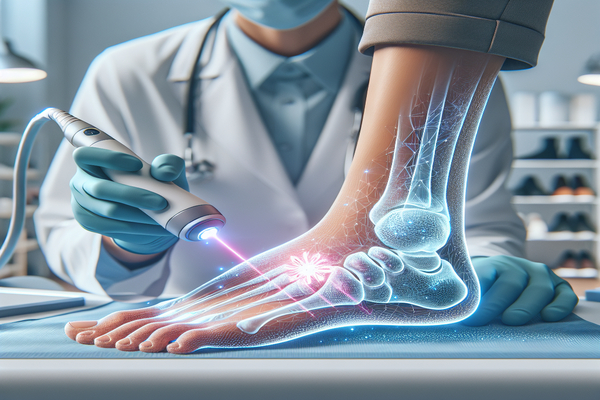
Laser Therapy in Podiatry Wound Care: Clinical Applications and Benefits
Understanding Laser Therapy in Podiatry Wound Care
As podiatry clinic owners and decision-makers, the integration of advanced technologies such as Class 4 laser therapy into your practice can vastly improve patient outcomes and enhance the overall efficiency of your services. Laser therapy is becoming a key player in the management of various podiatric conditions, particularly in wound care.
Clinical Applications of Class 4 Laser Therapy
Class 4 laser therapy, also known as photobiomodulation, offers a multitude of clinical applications in podiatry, particularly for treating chronic wounds. The therapeutic effects of this technology are based on its ability to stimulate cellular activity, promoting healing by enhancing blood flow and reducing inflammation.
What Conditions Can Podiatrists Treat with Lasers?
- Non-healing diabetic ulcers
- Venous stasis ulcers
- Pressure sores
- Fungal nail infections (onychomycosis) through targeted fungal nail laser treatment
- Verruca and wart removal
- Soft tissue injuries
Is Laser Therapy Worth It for Podiatrists?
Investing in Class 4 laser therapy can yield significant returns. Clinical studies show that laser therapy can enhance the healing process by up to 70%, dramatically reducing recovery times for patients suffering from chronic wounds. This in turn leads to better patient satisfaction and referral potential.
How Profitable is Class 4 Laser Treatment?
The profitability of laser treatments in your podiatry practice hinges on multiple factors, including treatment pricing, operational efficiency, and patient volume. A well-implemented laser program can generate substantial revenue, as podiatrists can charge premium rates for these advanced, effective therapies.
Consider the ROI: while the initial investment in Class 4 laser technology may seem high, the enhanced treatment outcomes often translate to higher patient retention and increased referrals, ultimately boosting your bottom line.
Safety Considerations in Laser Therapy
Safety protocols are paramount in the use of Class 4 lasers. CE-marked devices meet stringent European safety standards, ensuring that they are safe for clinical use. Training staff to understand and adhere to these safety protocols will prevent complications and enhance treatment efficacy.
Common safety considerations include:
- Protective eyewear for both patients and clinicians
- Regular maintenance and calibration of laser equipment
- Clear communication of expectations and treatment protocols to patients
Addressing Common Objections
Clinic owners often raise concerns regarding the cost, ROI, and patient uptake of laser therapy. Let’s address these common objections:
- Cost: While the initial investment may be significant, analyzing the long-term benefits and patient outcomes often justifies the expense.
- ROI: With effective marketing and patient education, clinics can see rapid uptake. Treatment packages can enhance patient commitment and increase sales.
- Patient Uptake: Demonstrating clinical success stories and providing testimonials can significantly improve patient acceptance of laser therapy.
- Training: Manufacturers typically provide comprehensive training to ensure practitioners are proficient in using laser technology.
- Safety: Adhering to established safety protocols and using CE-marked devices minimizes risks.
Enhancing Your Practice with Class 4 Laser Therapy
Integrating Class 4 laser therapy into your podiatry practice not only enhances patient care but also differentiates your clinic in a competitive market. As patients become increasingly informed and seek out innovative treatments, having such technology can be a strong marketing advantage.
Frequently Asked Questions
- What types of lasers are used in podiatry? Class 4 lasers are most commonly used due to their ability to penetrate tissues and promote healing effectively.
- How many sessions are typically needed for effective treatment? The number of sessions can vary; however, many patients notice improvement within 3-5 treatments.
- Is there any downtime associated with laser therapy? Most patients experience little to no downtime and can return to their daily activities immediately following treatment.
- Can all podiatrists use Class 4 lasers? Yes, but specific training is required to ensure safety and efficacy in treatment.
- What evidence supports the effectiveness of laser therapy in podiatry? Numerous clinical studies have demonstrated the efficacy of laser therapy in accelerating wound healing and reducing pain.
Conclusion: Take the Next Step
As a podiatry clinic owner, the decision to implement Class 4 laser therapy can redefine the capabilities of your practice and patient outcomes. By understanding the clinical applications, addressing safety considerations, and confidently estimating ROI, you can leverage this technology to enhance your service offerings.
To learn more about how Apex Podiatry Lasers can support your clinic in successfully integrating Class 4 laser therapy, visit our website or request information today. Elevate your practice and stand out in the evolving field of podiatry.
