
Laser Therapy in Podiatry: A Complete Overview for Clinic Owners
Understanding Class 4 Laser Therapy in Podiatry
As a clinic owner or decision-maker in the field of podiatry, you are constantly seeking ways to enhance patient outcomes and practice efficiency. Class 4 laser therapy represents a dynamic option that not only improves treatment results but also has the potential to boost your clinic's profitability and reputation. This article explores the scientific basis, clinical applications, and implementation strategies for Class 4 laser therapy, positioning Apex Podiatry Lasers as your trusted partner in this innovative approach.
Is Laser Therapy Worth It for Podiatrists?
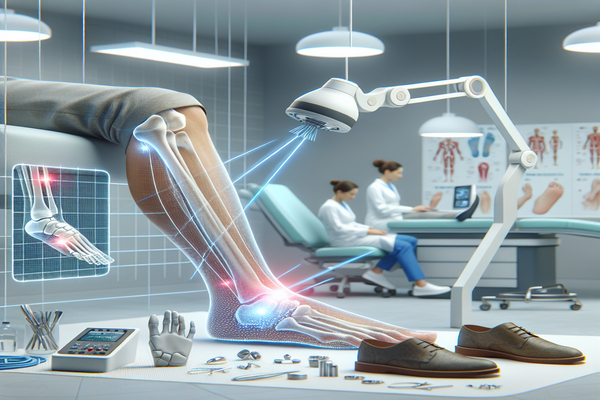
Class 4 laser therapy is a non-invasive treatment modality utilizing photobiomodulation, which helps stimulate cellular processes to promote healing and pain relief. Numerous studies demonstrate its efficacy in treating a variety of podiatric conditions, such as plantar fasciitis, Achilles tendinopathy, and diabetic ulcers. These studies show significant reductions in pain levels and improved functional outcomes, making laser therapy a compelling option for podiatrists.
- A 2014 meta-analysis found that laser therapy significantly reduces pain in patients with plantar fasciitis.
- Research published in The Journal of Foot and Ankle Surgery noted enhanced healing rates in diabetic foot ulcers treated with Class 4 lasers.
- Clinical trials indicate increased blood flow and tissue regeneration, demonstrating the treatment's potential for various soft tissue injuries.
How Profitable is Class 4 Laser Treatment?
Considering the investment in Class 4 laser technology, many clinic owners question its profitability. The average cost of laser treatment ranges from $100 to $300 per session, depending on the complexity and duration of treatment. With appropriate patient management and marketing, practices can benefit from:
- Increased patient retention through enhanced treatment options.
- Attracting new patients seeking advanced care for chronic conditions.
- Minimized downtime for patients, allowing for faster return visits and more treatment sessions.
Moreover, the initial investment in high-quality laser equipment, such as those from Apex Podiatry Lasers, typically yields a positive return on investment (ROI) within 6 to 12 months based on increased patient volume and treatment fees.
What Conditions Can Podiatrists Treat with Lasers?
Class 4 lasers have versatile applications in podiatry, allowing practitioners to address a wide range of conditions effectively. Here’s a list of common applications:
- Plantar Fasciitis: Relieves pain and inflammation through targeted treatment of the plantar fascia.
- Achilles Tendinopathy: Supports regeneration of the tendon tissues and reduces pain.
- Verruca Treatment: Destroys the virus causing warts with minimal discomfort and faster healing.
- Fungal Nail Laser: An effective method for onychomycosis with enhanced cure rates.
- Diabetic Foot Ulcers: Accelerates wound healing, reducing the risk of more severe complications.
Each of these conditions can lead to improved quality of life for patients and represent potential revenue streams for your clinic.
Clinical Evidence and Safety Protocols
The safety and efficacy of Class 4 laser therapy are backed by numerous studies, with protocols established by the FDA and CE-marking ensuring compliance with essential safety standards. Proper training and operation are paramount to maximizing patient safety. Here are some key protocols to consider:
- Ensure thorough training for practitioners on equipment handling and dosimetry.
- Adhere to recommended safety guidelines, such as protective eyewear for both patients and operators.
- Conduct patient evaluations to determine suitability for laser therapy and expected outcomes.
Incorporating these practices not only enhances safety but also instills confidence in patients regarding the care they receive.
Addressing Common Objections
Ultimately, clinic owners may have reservations about integrating laser therapy into their practice. Addressing these concerns effectively is crucial:
- Cost: While initial equipment costs may seem high, consider the long-term financial benefits and the ability to charge a premium for specialized services.
- ROI: Implement a structured marketing approach to highlight laser therapy in your offerings, thereby attracting more patients and improving revenue streams effectively.
- Patient Uptake: Educating patients about the benefits and evidence of laser therapy will foster acceptance and willingness to try this innovative treatment option.
- Training: Apex provides comprehensive training resources to ensure that your team is fully certified and confident in delivering laser treatments.
- Safety: Rigorous adherence to safety protocols effectively mitigates risks and builds patient trust.
FAQs About Class 4 Laser Therapy in Podiatry
- 1. How long does each laser treatment take?
- Typically, each session lasts between 10 to 30 minutes, depending on the condition being treated.
- 2. How many sessions do patients usually need?
- The number of treatments varies; however, most patients see results within 5-10 sessions.
- 3. Is laser therapy painful?
- Most patients report minimal discomfort, with many describing the sensation as a warm, soothing experience.
- 4. Is there any downtime after treatment?
- No downtime is usually required; patients can resume normal activities immediately after their session.
- 5. Can laser therapy be combined with other treatment modalities?
- Yes, laser therapy works synergistically with other treatments, enhancing overall outcomes.
Conclusion
Incorporating Class 4 laser therapy into your podiatry clinic can set your practice apart by offering advanced, effective treatment options for a wide range of conditions. The clinical evidence backs its efficacy, while its potential for increased profitability significantly enhances your practice's growth. To further explore how Apex Podiatry Lasers can help you integrate this innovative technology, contact us today for more information.
