
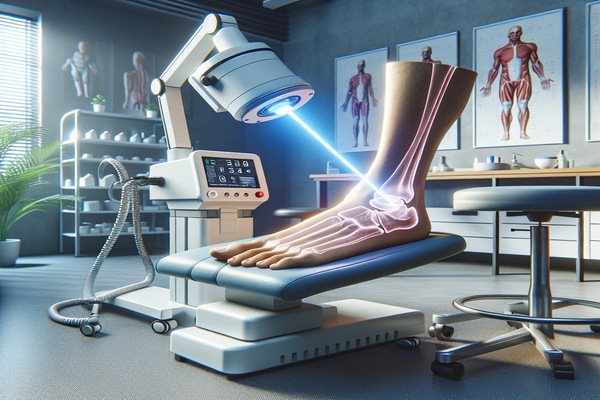
High-Margin Podiatry Treatments: Why Laser Therapy Leads the List
High-Margin Podiatry Treatments: Why Laser Therapy Leads the List
Is laser therapy worth it for podiatrists?
As the demand for effective, non-invasive treatments in podiatry grows, Class 4 laser therapy has emerged as a standout solution. This advanced technology employs photobiomodulation to accelerate healing and reduce inflammation, making it a valuable addition to any podiatry practice. Clinical studies highlight its effectiveness for conditions such as plantar fasciitis, Achilles tendonitis, and verruca treatment.
Investing in Class 4 laser therapy not only enhances patient outcomes but also elevates your practice’s standing in a competitive market. By providing a cutting-edge treatment option, you position your clinic as a forward-thinking entity dedicated to patient care.
How profitable is Class 4 laser treatment?
From a financial perspective, Class 4 laser therapy can significantly boost your clinic’s profit margins. The upfront investment in high-quality laser equipment is often offset by the increased patient volume and treatment fees. Typical fees for laser treatments may range from $150 to $500 per session, depending on the procedure and region.
Moreover, the implementation of laser therapy can reduce the frequency of costly interventions, such as surgery. With average savings of up to $2,000 per surgical case, laser therapy can provide a high return on investment (ROI) when effectively marketed and integrated into practice operations.
What conditions can podiatrists treat with lasers?
- Plantar Fasciitis: One of the most common conditions, treated with laser therapy to alleviate pain and promote healing.
- Achilles Tendonitis: Effective in reducing inflammation and enhancing cellular repair.
- Verruca Treatment: Class 4 lasers target warts with minimal pain and faster recovery times.
- Fungal Nail Laser: A non-invasive approach to treat onychomycosis, providing high success rates.
The versatility of Class 4 laser therapy enables podiatrists to diversify the service offerings in their clinics, appealing to a broader patient demographic and enhancing overall practice profitability.
Considerations for implementing laser therapy in your practice
When contemplating the addition of laser therapy to your services, clinic owners often cite concerns regarding cost and ROI. Understanding that the initial investment returns dividends in efficiency and patient satisfaction can address these objections. Additionally, leading laser systems come with CE-marking, ensuring compliance with safety standards and protocols.
Training is another concern; however, reputable manufacturers like Apex Podiatry Lasers provide extensive training materials and support to ensure smooth implementation. By partnering with established providers, your clinic will benefit from ongoing education and technological advancements.
Safety protocols and clinical evidence
Safety is paramount when introducing any new treatment modality. Class 4 laser therapy is recognized for its low-risk profile when used according to established guidelines. Studies demonstrate minimal adverse effects, with most patients experiencing only mild warmth or transient discomfort.
To maximize treatment effectiveness and safety, adhering to protocol guidelines is essential. Routine maintenance and updated training are key to ensuring that your clinic maintains high standards in laser therapy application.
Common objections and how to address them
- Cost: Highlight the potential for increased revenue from higher treatment fees paired with cost savings from avoiding ineffective treatments.
- ROI: Present case studies and testimonials that showcase successful outcomes and patient testimonials.
- Patient uptake: Share marketing strategies that drive patient awareness and demand for laser treatments in your practice.
- Training: Emphasize the comprehensive training support available from manufacturers, ensuring your staff is well-equipped to handle laser treatments.
- Safety: Point to clinical evidence and CE-marking as indicators of the safety and efficacy of Class 4 laser therapy.
Frequently Asked Questions
- How long does a Class 4 laser treatment session last? Treatment sessions typically range from 10 to 30 minutes, depending on the condition being treated.
- Is laser therapy painful for patients? Most patients report minimal discomfort, with some describing a sensation similar to a warm massage.
- What kind of results can I expect from laser therapy? Many patients experience significant pain relief and enhanced mobility within a few sessions.
- How do I market laser therapy to my patients? Utilize educational materials, before-and-after case studies, and promotional events to generate interest and inform your patient base.
- Can laser therapy be combined with other treatments? Absolutely. Laser therapy is often used in conjunction with other modalities to optimize patient outcomes.
Integrating laser therapy not only sets your podiatry practice apart but also enhances the quality of care provided to your patients. By leveraging advanced treatments such as Class 4 laser therapy, you can witness a transformation in your clinic's efficiency and profitability. At Apex Podiatry Lasers, we are dedicated to helping podiatry clinics excel through the power of laser technology.
For more information on how laser therapy can revolutionize your practice, or to request support in implementing these technologies, visit our website today.
