
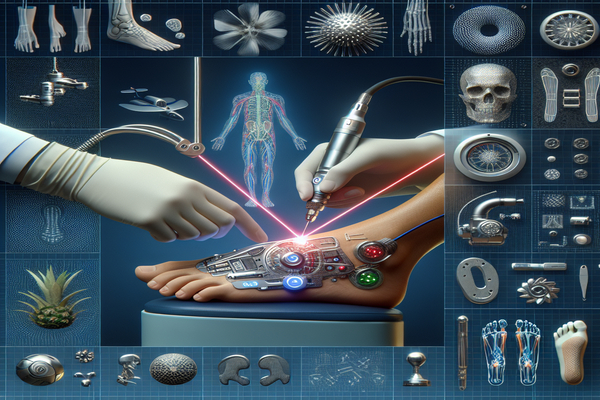
How Clinical Laser Therapy Supports Foot and Ankle Recovery
Understanding Class 4 Laser Therapy in Podiatry
Class 4 laser therapy has emerged as a pivotal treatment modality in podiatry, offering promising solutions for various foot and ankle conditions. This sophisticated technology utilizes photobiomodulation to accelerate healing, reduce inflammation, and alleviate pain. As clinic owners, understanding the clinical efficacy and economic viability of integrating laser therapy into your practice is crucial for fostering growth and improving patient outcomes.
Is Laser Therapy Worth It for Podiatrists?
When considering the adoption of Class 4 laser therapy, clinical evidence strongly supports its application in various podiatric treatments. Numerous studies demonstrate its effectiveness in reducing pain associated with conditions such as:
- Achilles tendinopathy
- Plantar fasciitis
- Neuromas
- Post-surgical recovery
- Verruca treatment and fungal nails
By addressing these common conditions, laser therapy can enhance your therapeutic offerings, thereby improving patient satisfaction and retention. Moreover, its non-invasive nature aligns with current patient preferences for holistic and drug-free treatment options.
How Profitable is Class 4 Laser Treatment?
Integrating laser therapy not only enhances patient care but also represents a lucrative revenue stream for podiatry clinics. The potential return on investment (ROI) can be significant, given the high demand for effective pain management solutions and the growing awareness of non-surgical treatments. Here are key financial advantages:
- High Patient Demand: As more patients seek alternative treatments, offering Class 4 laser therapy can differentiate your clinic from competitors.
- Flexible Pricing Strategies: Patients are often willing to invest in effective therapies that promise rapid relief, providing ample opportunity for profitable treatment packages.
- Reduced Treatment Time: With faster treatment outcomes, you can accommodate more patients within the same timeframe, thereby increasing overall revenue potential.
What Conditions Can Podiatrists Treat with Lasers?
Class 4 laser therapy is versatile and can be employed to treat an array of conditions, fostering a comprehensive treatment approach. Consider the following applications:
- Achilles Tendinopathy: Reducing inflammation and promoting tissue repair.
- Plantar Fasciitis: Alleviating pain through targeted treatment of the plantar fascia.
- Verruca Treatment: Effectively resolving stubborn warts using laser precision.
- Fungal Nail Laser: Treating onychomycosis with high success rates.
- Post-operative Recovery: Facilitating faster recovery times and less post-operative pain.
Addressing Common Objections
Despite the advantages, some clinic owners may express reservations regarding the initial investment and implementation of laser therapy. Here are common concerns addressed:
- Cost: While the initial purchase of Class 4 laser systems can be significant, financing options and increased revenue from treated patients can offset costs over time.
- ROI: Clinics report improved patient flow and satisfaction, leading to repeat visits and referrals, thus enhancing overall profitability.
- Patient Uptake: Education on the benefits of laser therapy will foster patient engagement, leading to a higher acceptance rate of the treatments offered.
- Training and Safety: Reputable vendors, such as Apex Podiatry Lasers, provide comprehensive training programs and emphasize CE-marking standards, ensuring safety protocols are met.
Clinical Evidence and Safety Considerations
Scientific literature supports the efficacy of Class 4 laser therapy in managing podiatric conditions. For instance, randomized controlled trials have shown significant improvements in pain and function in patients undergoing laser treatment. Safety protocols are crucial, and adherence to established guidelines ensures patient safety and treatment efficacy.
Utilizing CE-marked devices guarantees compliance with European health and safety standards, ensuring that your clinic employs the highest quality lasers and protocols for patient care.
FAQ
1. How quickly can we see results from laser therapy?
While individual results may vary, many patients report significant improvement within a few sessions, depending on their specific condition and treatment protocol.
2. What qualifications do our staff need to operate laser equipment?
Typically, a certified training program provided by the laser manufacturer is required, covering operational, safety, and therapeutic skills.
3. Can laser therapy be combined with other treatments?
Yes, laser therapy can complement other treatment modalities, enhancing overall effectiveness and improving patient outcomes.
4. What are the contraindications for laser therapy?
Contraindications may include certain medical conditions, such as malignancies, hemophilia, or the presence of electronic implants. Comprehensive patient evaluation is essential.
5. How can we educate our patients about laser therapy?
Resources such as brochures, informative website content, and direct conversation during consultations can effectively educate patients about the benefits and processes of laser therapy.
Conclusion
As a podiatry clinic owner, investing in Class 4 laser therapy not only aligns with the contemporary demand for innovative healthcare solutions but also enhances your clinic's profitability, efficiency, and patient satisfaction. Apex Podiatry Lasers stands as your reliable partner, providing industry-leading technology and support to integrate laser therapy into your practice seamlessly.
Ready to elevate your practice with Class 4 laser therapy? Contact us today to learn more about our laser solutions and how we can help you achieve success in podiatry.
