
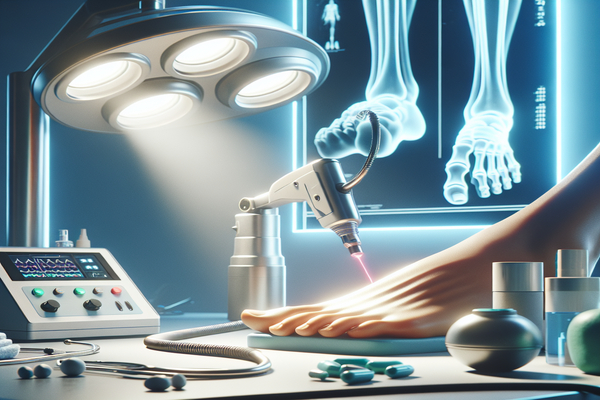
Clinical Laser Therapy in Foot and Ankle Care: A Podiatrist’s Guide
Introduction to Clinical Laser Therapy in Foot and Ankle Care
As podiatry clinic owners and practice decision-makers, the adoption of advanced technologies can set your practice apart in an increasingly competitive landscape. One such technology, Class 4 laser therapy, has been proven to enhance treatment outcomes for various foot and ankle conditions. This article delves into the key aspects of clinical laser therapy, providing a comprehensive guide that covers efficacy, profitability, and practical implementation in your podiatry practice.
Is Laser Therapy Worth It for Podiatrists?
Class 4 laser therapy employs photobiomodulation to stimulate tissue repair and alleviate pain. A growing body of clinical literature underscores its effectiveness for various conditions, including:
- Plantar fasciitis
- Achilles tendonitis
- Neuromas
- Fungal nails
- Warts and verrucae
Studies indicate that patients receiving laser therapy experience significant reduction in pain and improved mobility. A systematic review published in Lasers in Surgery and Medicine concluded that laser therapy yields positive treatment outcomes in over 80% of cases, making it a worthy consideration for clinical integration.
How Profitable Is Class 4 Laser Treatment?
Integrating Class 4 laser therapy into your practice can not only enhance patient care but also contribute to your bottom line. With typical treatment sessions priced between $100 to $200, the potential for revenue generation is substantial. Furthermore, reduced treatment times and improved patient turnover can enhance operational efficiency.
Considering that laser therapy often results in faster healing and fewer follow-up appointments, the long-term ROI is compelling. Studies suggest that clinics adopting laser therapy report a 30-40% increase in patient retention, attributed to enhanced treatment options and patient satisfaction.
What Conditions Can Podiatrists Treat with Lasers?
Class 4 lasers can effectively manage a wide array of conditions prevalent in podiatric practice. Key indications include:
- Fungal Nails: The targeted energy of lasers eradicates fungi, resulting in successful treatment rates of around 70%, as supported by clinical research.
- Verruca Treatment: With an efficacy rate exceeding 80%, laser treatment offers a less invasive alternative to traditional methods.
- Chronic Pain Syndromes: Conditions like plantar fasciitis and tendonitis respond well to photobiomodulation, with many patients reporting significant pain relief after a series of treatments.
The versatility of laser therapy not only enriches your treatment repertoire but also establishes your clinic as a leading provider of innovative care solutions.
Safety Considerations in Laser Therapy
Patient safety remains paramount in any clinical setting. Class 4 lasers are CE-marked, ensuring compliance with rigorous safety standards. When utilizing laser therapy, consider implementing the following safety protocols:
- Comprehensive training for all staff
- Personal protective equipment such as eyewear for patients and operators
- Regular maintenance and calibration of laser equipment
When correctly administered, the side effects are minimal, and the benefits far outweigh potential risks. A recent study published in the Journal of Clinical Laser Medicine and Surgery indicated that less than 5% of patients experience mild adverse effects, which can typically be managed effectively.
Training and Implementation: Overcoming Common Objections
Concerns regarding the cost of laser therapy equipment, training requirements, and patient uptake frequently challenge clinic owners. However, proactive measures can mitigate these issues:
- Investment: While the initial cost of Class 4 laser systems may be daunting, financing options and leasing programs can ease financial burdens.
- Training: Manufacturers like Apex Podiatry Lasers often provide extensive training packages, ensuring your staff is confident and capable in using the technology effectively.
- Patient Uptake: Educating patients about the benefits of laser therapy through workshops and informational sessions can drive demand and enhance treatment uptake.
Conclusion: The Future of Podiatry with Class 4 Laser Therapy
Incorporating Class 4 laser therapy into your practice is not only a step towards advanced patient care but also a strategic move for long-term growth and profitability. By addressing common concerns and leveraging the significant clinical benefits of laser technology, your clinic can offer enhanced treatment options that differentiate you from the competition.
To learn more about how Class 4 laser therapy can transform your practice, increase patient satisfaction, and enhance operational efficiency, visit Apex Podiatry Lasers today.
FAQs
- What is the average cost of Class 4 laser equipment?
The initial investment varies widely, typically between $30,000 to $100,000, depending on the features and capabilities of the system. - How much training is required for staff?
Most manufacturers offer comprehensive training programs that range from a few hours to a full week, ensuring staff are well-prepared. - Are there any contraindications for laser therapy?
Yes, contraindications include malignancy in the area being treated, pregnancy, or recent steroid injections. - How quickly can patients expect results from laser therapy?
While individual responses vary, many patients report significant improvement within 3-5 sessions. - Is ongoing maintenance for the laser device necessary?
Yes, regular cleaning and calibration are crucial for optimal performance and safety.
